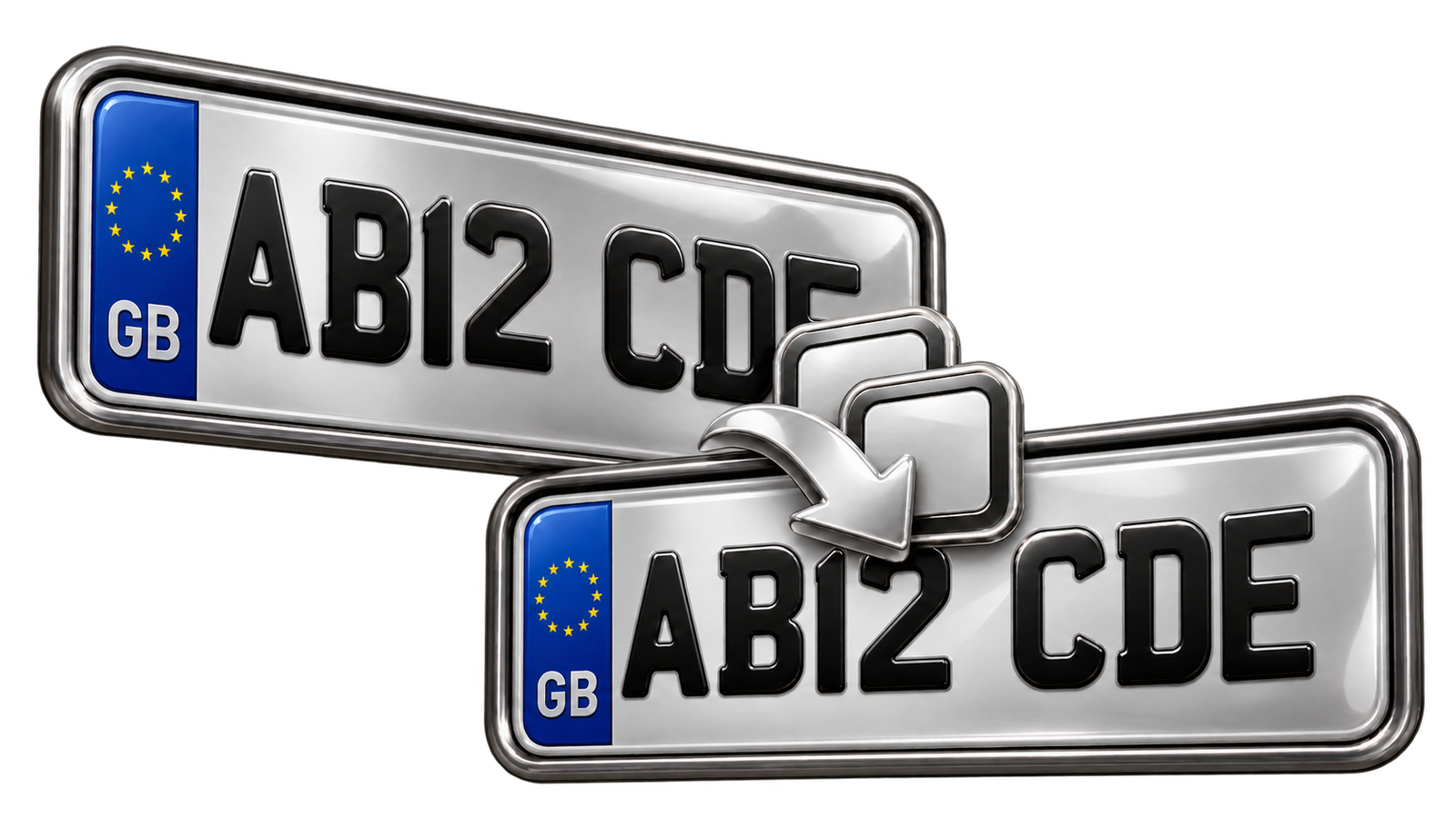
Copied registrations: easier to report. Who will respond?
A report takes minutes. How long will action take?
The NPCC’s new police/DVLA reporting service is welcome. Making suspected registration copying easier to report should help innocent motorists.
But faster reporting needs people available to respond.
According to figures obtained by the RAC, 11,402 drivers contacted DVLA during 2025 about penalties they disputed – an average of 31 every day, or more than one an hour, around the clock.
These are not all confirmed copying cases: the figures include possible camera misreads and other errors. Nor do they capture registration copying that has generated no complaint.
This demand existed before the new reporting facility. Easier reporting may reveal more.
Meanwhile, the BBC reports that 15 of the 32 responding police forces in England and Wales had no full-time, specially trained stolen vehicle examiners.
That does not mean those forces have nobody capable of investigating registration misuse. It does raise a serious question about specialist capacity.
Who assesses these reports, who investigates, and what resources have been allocated?
A council or parking operator may handle the disputed charge. Police may need to investigate the offending vehicle. DVLA maintains the registration record. Sharing information between them is useful – but responsibility and timescales must be clear.
Every delay can leave the offending vehicle operating and the innocent keeper answering further demands.
The record can be correct. The attribution can be wrong.
Success should therefore be measured in time to assessment, appropriate action and reduced repeat harm, alongside the number of reports received.
Better reporting deserves support. It needs a properly resourced response.