
10. The Power Imbalance
When police officers tell a driver/owner that their vehicle is suspected of being stolen, most people will comply immediately. This reaction is both natural and sensible.
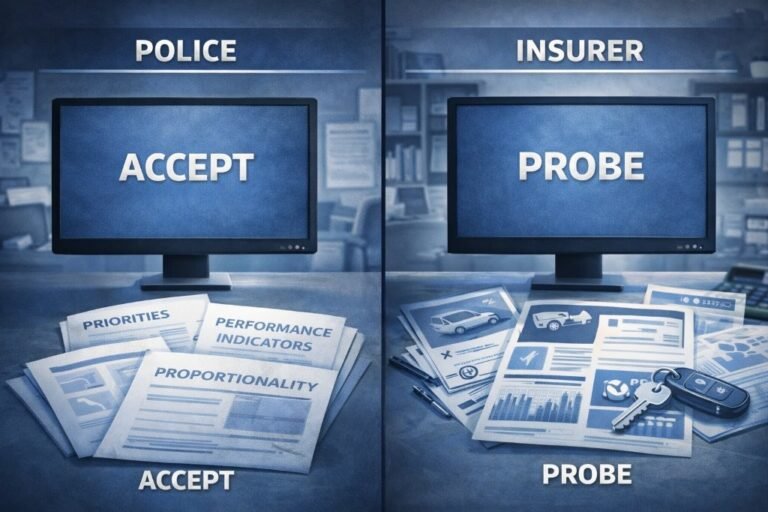
However, it also reveals an important imbalance within recovered vehicle cases. The authority of the police uniform can create the impression that the legal position has already been settled, even when the underlying dispute about ownership or possession has not yet been resolved.
Most members of the public are unfamiliar with the legal framework governing seized property. They are unlikely to know the difference between seizure powers, possession rights and ownership disputes.
As a result, when a police officer states that a vehicle is stolen, the driver may assume there is nothing further to discuss.
In everyday life, police authority carries considerable weight. If an officer instructs a driver to surrender a vehicle suspected of being stolen, most people will comply without hesitation. That response commonly reflects belief in statements made, respect for the law and a desire to avoid confrontation.
However, compliance does not necessarily mean the legal questions surrounding the vehicle have been resolved.
The individual surrendering the vehicle may have purchased it legitimately and may not fully understand the rights or processes available to them. They may not know that disputes about property can sometimes involve court proceedings or that different parties may assert competing claims.
This imbalance of information can create difficulties.
The innocent purchaser may leave the encounter believing the matter is finished, only to discover later that they are expected to pursue complicated legal remedies if they wish to challenge the outcome.
They may be unaware that they too fall to a ‘victim of crime’ classification, that they could expect assistance.
From the police perspective, the situation can also create risks.
If the purchaser later learns that their position was more complex than initially explained, they may feel misled or unfairly treated.
Clear communication at the time of seizure could help reduce misunderstandings and improve confidence in the process.
Next post – 11 on 22/04/2026
A 13-Part Investigative Series on Theft, Recovery, Innocent Purchasers and Ownership Disputes – an overview and the individual posts:
- 11/03/2026 – A Crime Report Is Not a Title Decision
- 13/03/2026 – The Innocent Purchaser: The Forgotten Victim in Vehicle Recovery
- 22/03/2026 – Who helps the innocent? Should the Original Police Force Normally Handle the Innocent Purchaser’s Crime?
- 24/03/2026 – Police Powers to Seize Are Not Powers to Decide Ownership
- 26/03/2026 – Do Police Hand Vehicles Over Too Quickly?
- 01/04/2026 – The Police (Property) Act: A Route Many People Never Hear About
- 07/04/2026 – Insurers Often Examine More Than the Police
- 09/04/2026 – Theft to Recovery: The Longer the Gap, the Harder the Truth
- 14/04/2026 – Trackers Do More Than Recover Cars
- 21/04/2026 – The Badge, the Buyer and the Power Imbalance
- 23/04/2026 – Good Faith Is Not Enough
- 26/04/2026 – The Inexpensive Check That May Save Thousands
- 30/04/2026 – What Better Practice Would Look Like
Website Disclaimer
The information provided on this website is for general informational and research purposes only. While we strive to ensure that all content is accurate, up to date, and relevant, laws and regulations are constantly evolving. As such, the information presented may not reflect the most current legal standards or interpretations.
Nothing on this website should be construed as legal advice or a substitute for professional legal counsel. If you require legal assistance or advice specific to your circumstances, you should consult a qualified lawyer.
We accept no responsibility or liability for any errors, omissions, or inaccuracies in the content, nor for any reliance placed upon the information provided. The use of this website and its content is entirely at your own risk.
By continuing to use this website, you acknowledge and agree to these terms.