
A troubling pattern emerging in police use of section 14 FOIA refusals? Freedom of Information Act section 14(1) permits a public authority to refuse a request where it is considered “vexatious”. In principle, this is understandable. Authorities should not be subjected to harassment, badgering or truly oppressive conduct. Some, seemingly more casually, less harshly refer…
Author: 5@mwosb.co.uk
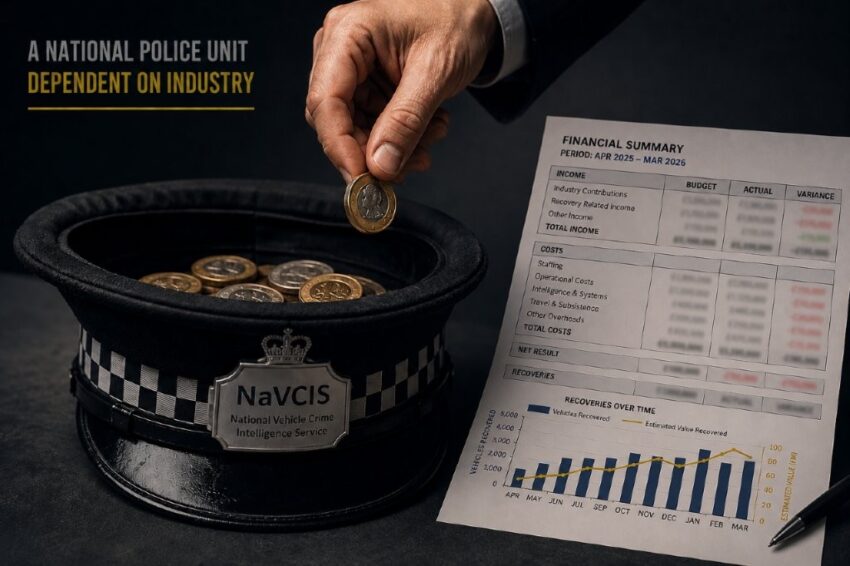
Home Office Records Reveal NaVCIS Was “Working Month to Month”
Is it still? The Home Office has quietly disclosed correspondence which raises uncomfortable new questions about the financial stability, funding pressures and operational incentives surrounding the National Vehicle Crime Intelligence Service (NaVCIS) — the specialist police unit repeatedly presented as a key national answer to organised vehicle theft. Behind the public language of intelligence-led disruption,…
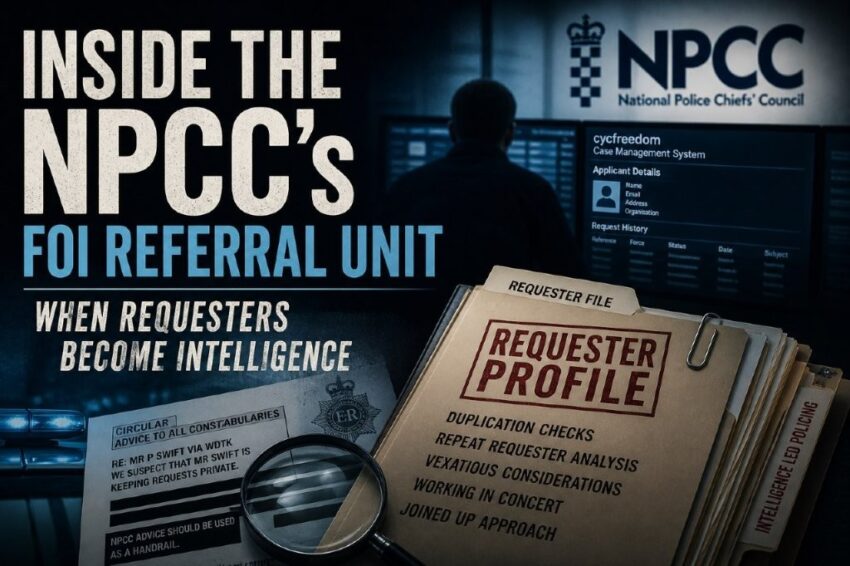
Inside the NPCC’s FoI Referral Unit
When Requesters Become Intelligence When you submit a Freedom of Information Act (FoIA) request to the police, do they simply consider the question … or do they quietly begin considering you? A Freedom of Information request is supposed to be about the information asked for. But NPCC documents suggest that, behind the scenes, something else…
13. What Better Practice Would Look Like
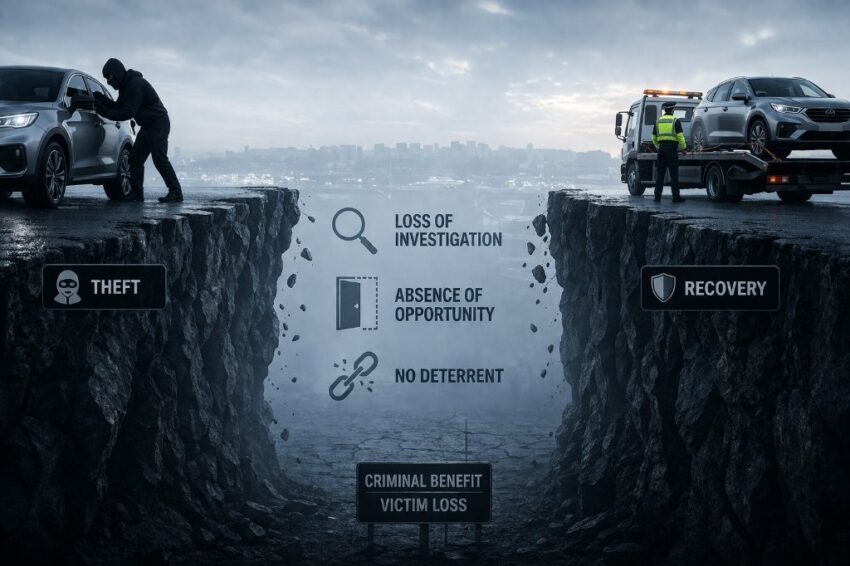
Are we Looking at the Wrong End of Vehicle Crime? Recovered vehicle cases reveal a wider flaw in how vehicle crime is understood. Public attention naturally focuses on two obvious points: Those are the visible moments. But they do not explain where the real criminal success lies, or where the greatest innocent harm occurs. That…
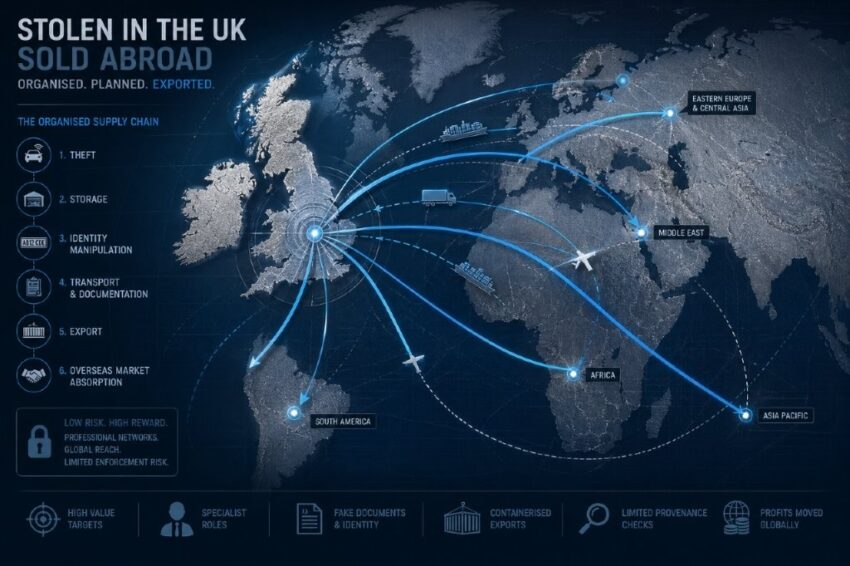
Stolen in Britain, Sold Abroad
Where do stolen UK vehicles actually go once they disappear? A newly published international report by the Global Initiative Against Transnational Organised Crime examines the export trade in stolen cars and parts, tracing the organised commercial routes that move vehicles from the UK and Europe into overseas markets. It is an important piece of work…
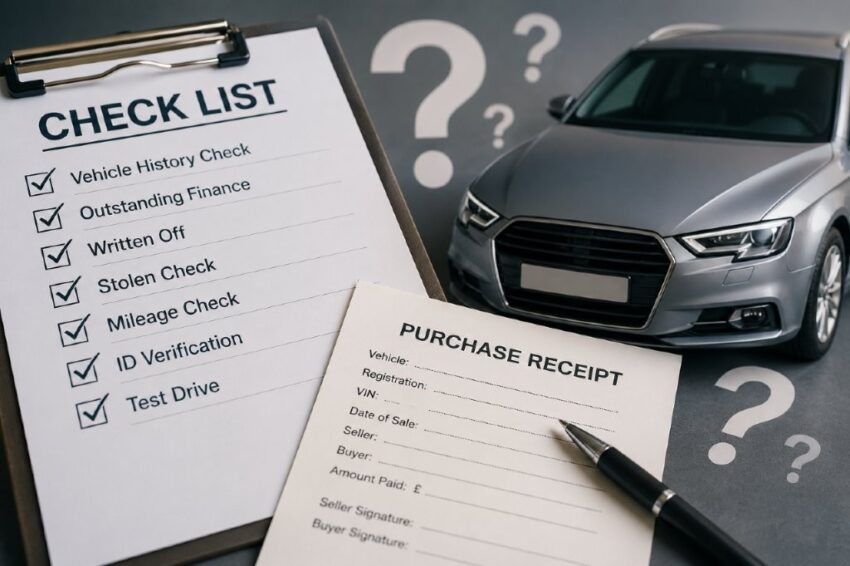
12. The Low Cost Check That May Save £1,000’s
Buying a vehicle is often one of the largest purchases many people make outside of buying a home. Yet surprisingly little attention is sometimes given to verifying the vehicle’s history before the purchase takes place. In a market where stolen vehicles, cloned registrations and undisclosed loans or insurance write-offs circulate, a small amount of due…
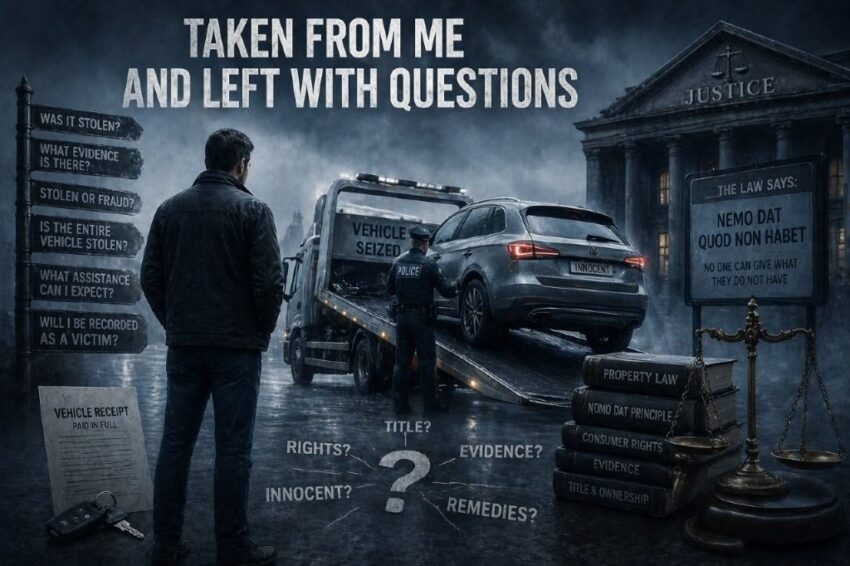
11. Good Faith Is Not Enough
Innocence, Title and the Limits of Fairness Many people assume that buying a vehicle honestly should guarantee their right to keep it. If the buyer paid market value and had no knowledge that the vehicle was stolen, fairness would seem to demand that they retain ownership. Unfortunately, the law does not always follow this intuition….
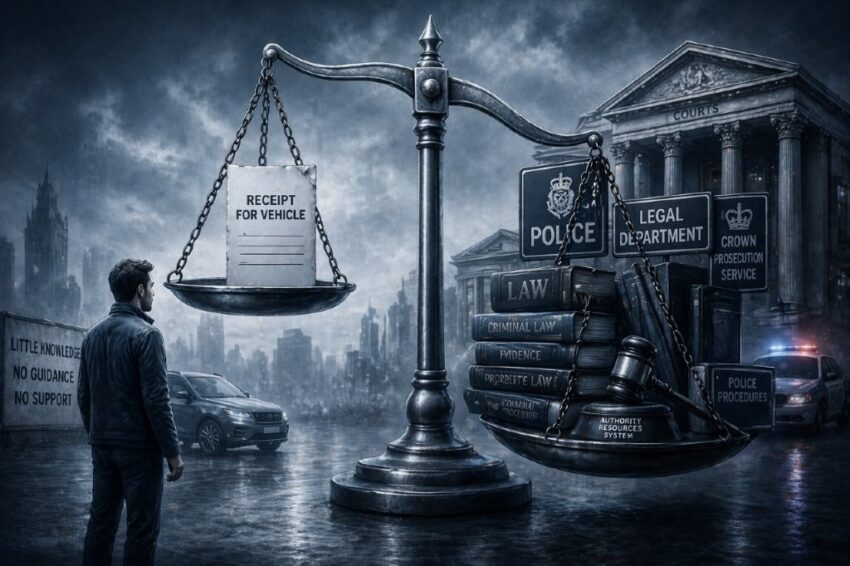
10. The Power Imbalance
When police officers tell a driver/owner that their vehicle is suspected of being stolen, most people will comply immediately. This reaction is both natural and sensible. However, it also reveals an important imbalance within recovered vehicle cases. The authority of the police uniform can create the impression that the legal position has already been settled,…

Collaboration or Endorsement? A Closer Look at NVCRP Engagement
Collaboration is a recurring theme in discussions about vehicle crime. Police, insurers, manufacturers, technology providers etc. … frequently described as “working together” to address a problem that is both complex and persistent. The National Vehicle Crime Reduction Partnership (NVCRP) is one such initiative, positioned as a cross-sector effort to improve outcomes. However, recent disclosures raise…
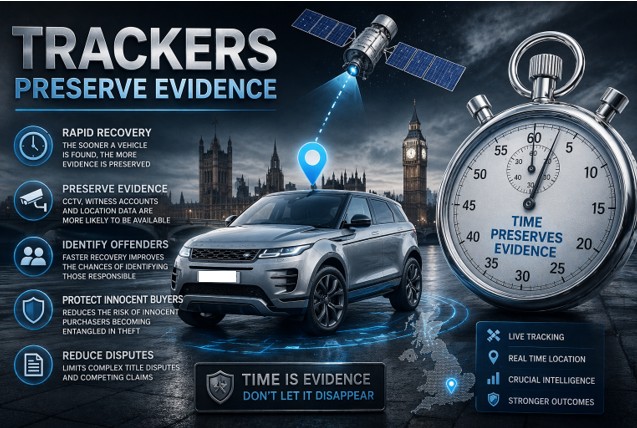
9. Trackers Do More Than Recover Cars
Trackers Preserve Evidence Vehicle trackers are often discussed purely as a theft-recovery tool. Their primary purpose is seen as helping police, or specialist companies, locate stolen vehicles quickly. Yet trackers can play a much broader role than simply finding a car. Rapid recovery can preserve evidence, protect innocent buyers from later disputes, and significantly improve…